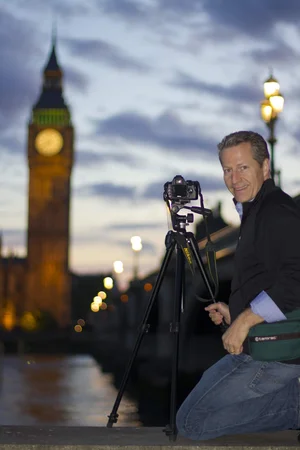
Whatever happened to HDR?
Whatever Happened to HDR?
Ah, HDR. Those three letters may be the most polarizing in photography. Some photographers love it, while others can't stand it. Either way, chances are you have an opinion about it.
I certainly do: I love HDR.
In fact, HDR is what got me into photography in the first place.
I wasn't a photographer who decided to experiment with HDR because it was the latest trend. I was someone who accidentally discovered HDR photography and immediately wanted to learn how to do it. So, I dug out my camera and started figuring it out.
The funny thing is, I didn't know anything about photography. I didn't know what aperture or ISO meant, and my camera didn't even have auto-bracketing. Every exposure had to be captured manually.
I didn't care. I was hooked.
From that point on, HDR was nearly all I did. Every trip was about finding scenes to bracket. Every editing session revolved around HDR. Photomatix was my drug of choice, and even when I only had a single exposure, I'd run it through tone mapping just to see what kind of crazy creation I could make.
I was addicted.
Like many photographers from that era, I went a little overboard. Honestly, most of us did.
I don't apologize for it. HDR was new, exciting, and unlike anything we'd seen before. We were experimenting, pushing boundaries, and learning what was possible.
Of course, my editing style has changed quite a bit since then.
I no longer create over-the-top HDR images with halos, clown-vomit levels of saturation, and lighting so evenly distributed that the whole scene looks like a cartoon.
These days my HDR edits are much more restrained, and I probably create HDR images for only about a quarter of my photos.
But here's the interesting part.
HDR never really went away.
It simply grew up.
Photographers still bracket scenes all the time. I hear it whenever I'm out shooting with other photographers. I've heard other guides on Luminar photo tours recommend bracketing whenever a scene has more dynamic range than a single exposure can handle, and I give that same advice myself. It's far more common than many people realize.
The difference is that most photographers aren't chasing the old "HDR look" anymore.
Instead, they're using HDR merges or carefully blended exposures to create natural-looking images that retain detail in both the highlights and shadows. The processing is subtle, but the goal remains exactly the same.
And that brings me to what I think is the most important point.
HDR is about light.
It always has been.
The bright colors, dramatic detail, and over-the-top processing may have been what made HDR famous years ago, but those things were never the real point. They were by-products of the process (and a lack of restraint).
The goal has always been to capture the full range of light in a scene when a single exposure simply can't do it.
That's still true today.
In fact, you could argue that many photographers are creating "higher dynamic range" images from a single RAW file every day. Pulling down highlights, lifting shadows, and balancing the light throughout an image is really applying the same principle. You're working to capture - or recreate - the full range of light that you experienced when you pressed the shutter.
That's probably one reason HDR has remained part of my workflow all these years. If you've followed me for a while, you know I like to think about editing in three stages: light, detail, and color. HDR simply gives me another way to get the light right before moving on to the rest of the edit.
So yes, I still bracket exposures.
I still merge them when the scene calls for it.
The difference is that today I'm trying to create an image that feels natural - not one that screams HDR.
HDR is simply another tool for capturing the light you saw when you were standing there.
And that's why I still use it.
How about you?
Do you still bracket your images, or have you moved away from HDR altogether? I'd love to hear your thoughts in the comments.
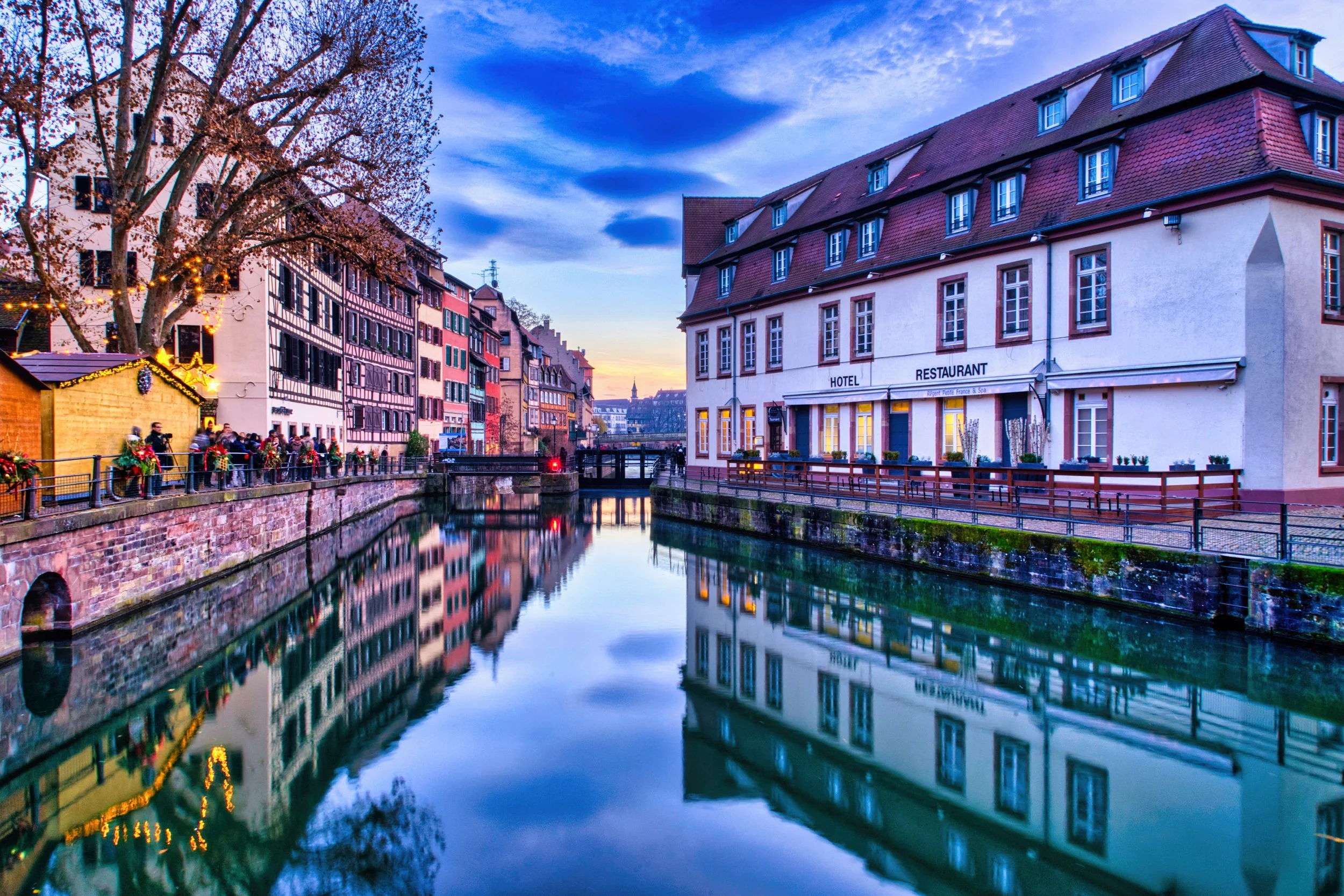
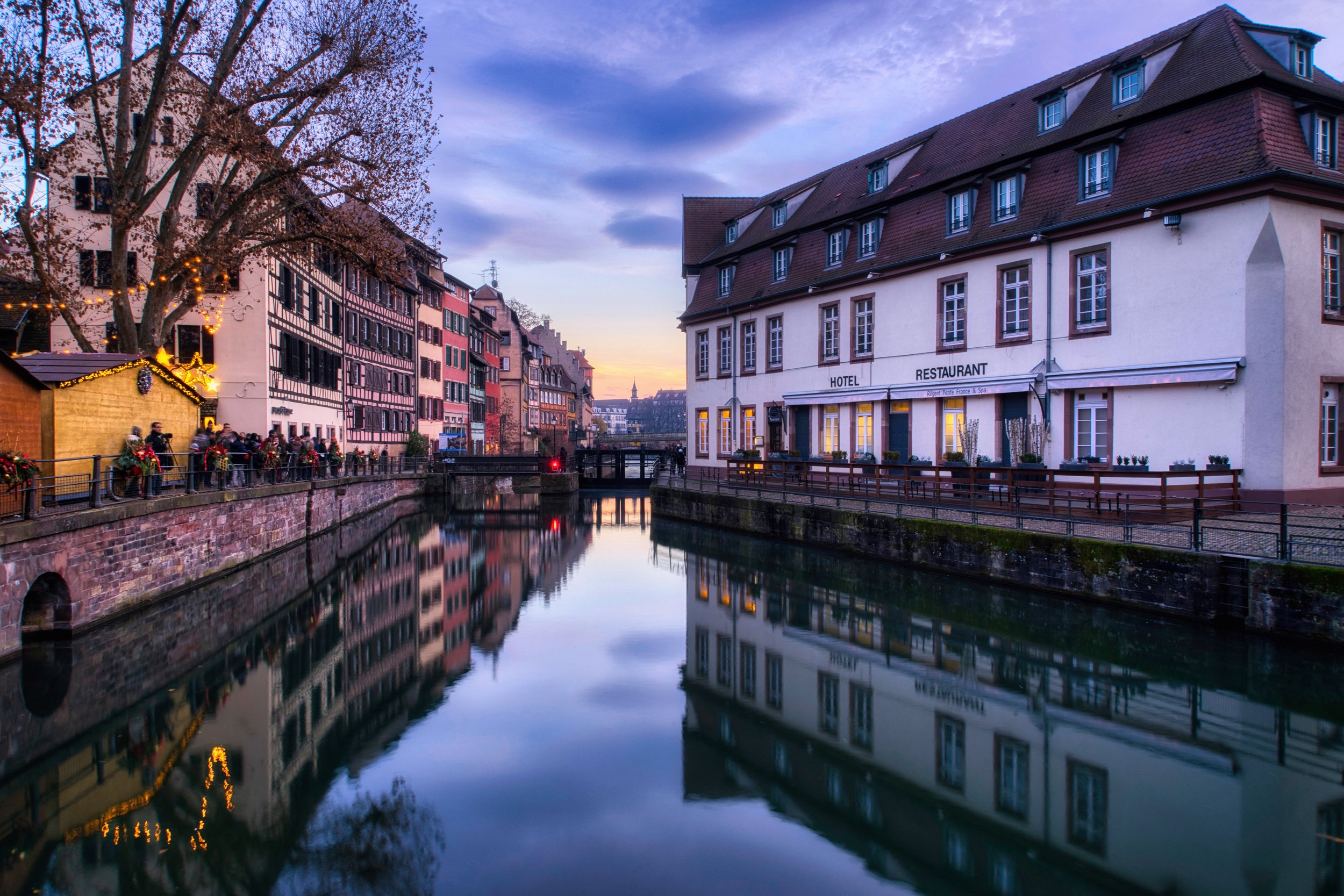
Old vs New HDR Example:
Here’s an image I captured a number of years ago, processed using the “over-the-top” crazy HDR look from years ago on the first image, and an updated version below it showing how a subtle use of HDR can still produce a gorgeous photograph.
Note the massive difference in light distribution and use of color between the two.
Want to Learn More About HDR?
If you're interested in learning my complete HDR workflow - from capturing bracketed exposures in the field to creating natural-looking finished images - I still have a comprehensive HDR video course available. While I recorded it a few years ago, the core principles haven't changed. HDR has always been about understanding light, and that's exactly what the course focuses on.